


The Oscars: Where Culture, Content, and Brands Converge
.svg)
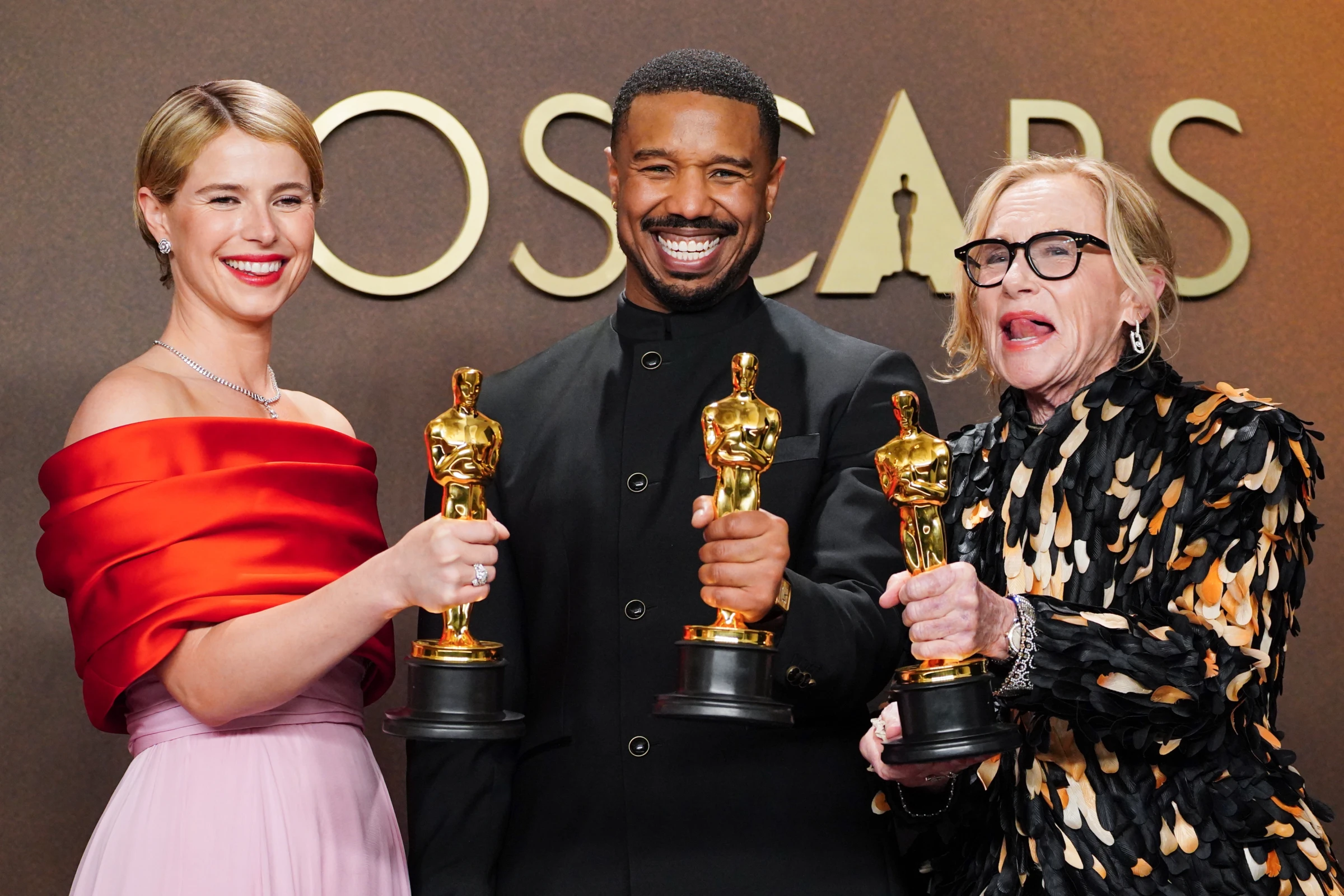
The 98th Academy Awards is in the books with Conan O’Brien returning as host. Two films defined the night: One Battle After Another and Sinners, trading wins and momentum throughout the broadcast. One Battle After Another ultimately took Best Picture and Best Director for Paul Thomas Anderson, while Sinners delivered a major moment with Michael B. Jordan winning Best Actor. Jessie Buckley won Best Actress for Hamnet, and F1: The Movie picked up Best Sound.
From dramatic feathered couture on the carpet to a juke-joint musical performance from Sinners, the Oscars once again felt like a true global entertainment event, and advertising rates were at their highest ever.
For brands, that’s exactly the point.
The Oscars reach roughly 17–20 million viewers, far smaller than the Super Bowl. But the real value isn’t scale—it’s cultural influence. The event drives days of red carpet coverage, social clips, celebrity moments, fashion commentary, and global entertainment press. For marketers, the opportunity isn’t just advertising during the show; it’s participating in the broader cultural ecosystem surrounding it.
Top Wins
- Best Picture: One Battle After Another
- Best Director: Paul Thomas Anderson (One Battle After Another)
- Best Actor: Michael B. Jordan (Sinners)
- Best Actress: Jessie Buckley (Hamnet)
- Best Supporting Actor: Sean Penn (One Battle After Another)
- Best Supporting Actress: Amy Madigan (Weapons)
Cultural Moment: K-Pop Reaches the Oscars
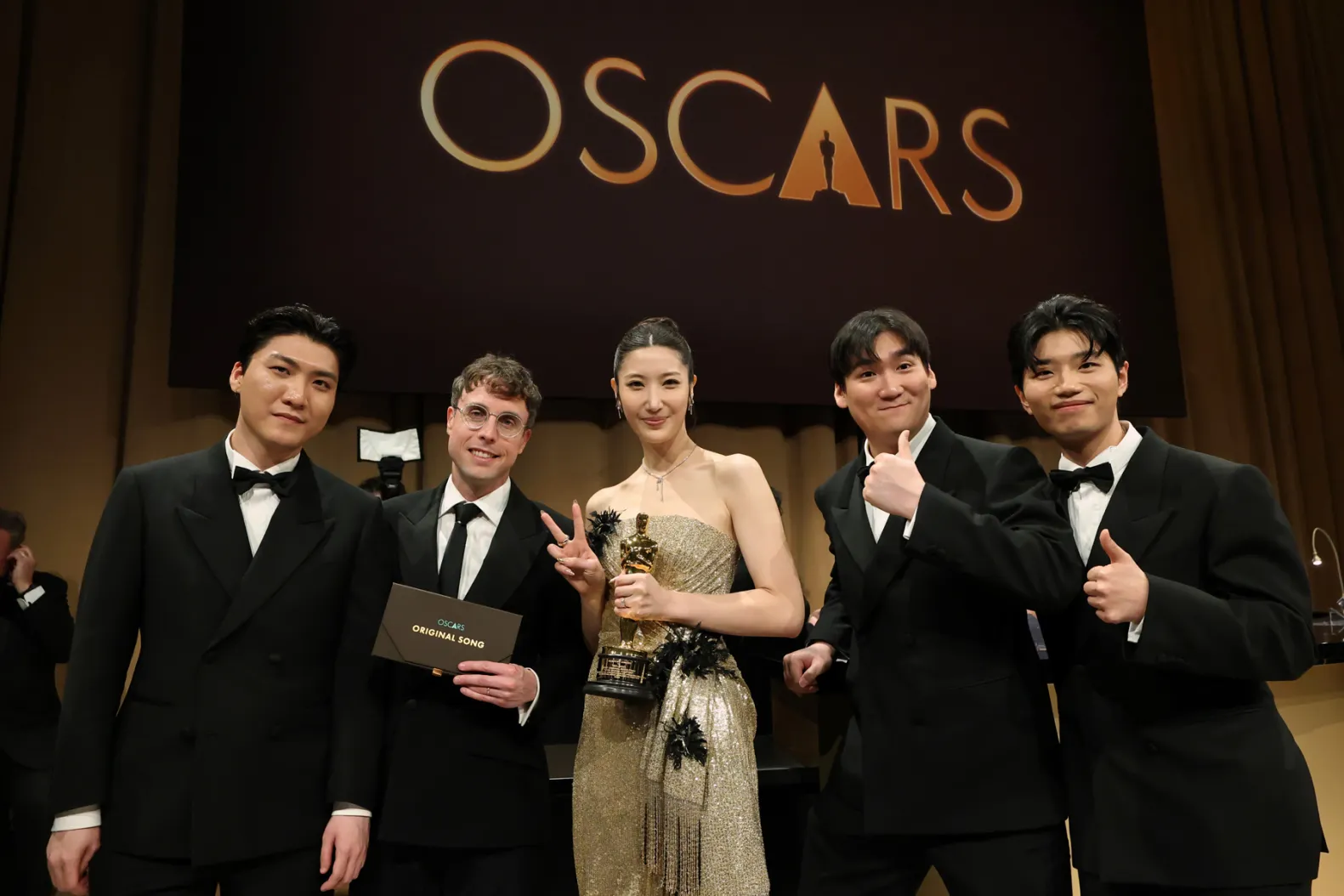
One of the night’s most global moments came when “Golden” from Netflix’s KPop Demon Hunters won Best Original Song, becoming the first K-pop track to win an Oscar. The performance turned the Dolby Theatre into a stadium-style experience with synchronized lighting and audience wristbands.
For brands, the significance goes beyond the trophy. K-pop represents one of the most powerful global fandom ecosystems, where music, fashion, beauty, gaming, and social content amplify each other in real time. The Oscar win underscores how international pop culture—and the audiences that power it—are now fully embedded in Hollywood’s biggest stage.
Why the Oscars Still Matter for Brands
Disney reportedly sold 30-second Oscars spots between $1.7M and $2.2M—far less than a $7M Super Bowl ad. But the cost per viewer is actually higher, reflecting a premium audience that skews toward higher-income, culturally engaged consumers.
More importantly, the Oscars are no longer just a TV broadcast. Disney’s “Oscars Everywhere” strategy extended the show across Hulu, Disney+, TikTok Pulse, influencer campaigns, red carpet syndication, and next-day integrations on morning shows. A single buy now generates impressions across linear, streaming, social, and digital before, during, and after the broadcast.
In a fragmented media environment, live events like the Oscars remain one of the few ways to capture mass cultural attention in real time, which is why you saw our TRESemmé client leaning in during the day’s leading up, during the E! pre-show and in/around the show itself, leveraging their Devil Wears Prada campaign, and Disney’s own commercial, as a a springboard for their Spring campaign.
What This Year’s Films Signal for Brand Partnerships
The 2026 nominees reflected the expanding entertainment landscape: prestige drama, horror, sports spectacle, international cinema, and streaming-first films all shared the stage.
- Sinners brought horror into the awards conversation, validating a genre with massive Gen Z engagement.
- Sentimental Value, a Norwegian drama with nine nominations, highlights the rise of international storytelling and global audiences.
- Guillermo del Toro’s Netflix film Frankenstein confirmed that streaming prestige projects are now fully embedded in awards season.
For brands looking to align with culturally relevant content, the range of storytelling—and audiences—has never been broader. Film is back, targeting the right audiences, and a powerful connector for brands.
When Brand Integration Becomes Storytelling
One of the most interesting intersections of entertainment and brand integration this year came with F1: The Movie, which earned four nominations including Best Picture and Best Sound.
The film generated roughly $40 million in sponsorship integrations, with brands embedded directly into the fictional racing world. These weren’t background placements—they were narrative integrations that lived across race suits, cars, commentary, and storylines.
This approach highlights a shift from traditional product placement toward brand storytelling within entertainment worlds—a strategy that delivers value far beyond the theatrical release. More F1 content is coming soon, and UEG Entertainment has an inside track to both Apple and the Production team.
The Long Tail of Cultural Relevance
One of the most overlooked advantages of film partnerships is the extended media lifecycle.
A brand integrated into a film benefits from multiple waves of visibility:
- theatrical release (and you know our 360 approach here!)
- streaming distribution
- awards season coverage
- nomination announcements
- media predictions and press coverage
- Oscar night itself
Each phase brings renewed attention and earned-media possibilities —often months after the initial campaign investment.
When that film becomes Oscar-nominated, the halo effect only grows.
The Key Oscar Takeaway
The Oscars remain one of the most powerful cultural moments in entertainment. Not because of viewership alone, but because they spark a global conversation around storytelling, talent, fashion, and celebrity that extends across media platforms for months.
For brands, success isn’t about buying a commercial during the show. It’s about strategically entering the conversation—through entertainment partnerships, talent alignments, red carpet activations, or sometimes integrations within the films themselves.
The opportunity is cultural, not just commercial.
And with the 99th Oscars already on the horizon—and the 100th approaching— the brands thinking about their role in that cultural moment now will be the ones winning the conversation later.