


The New Power Triangle That Will Define the 2026 FIFA World Cup
.svg)
With under five months to go until the 2026 FIFA World Cup, much of the industry conversation remains focused on familiar ground: sponsorship rights, media plans, and match-day moments. Those elements will matter—but they won’t define this tournament.
The 2026 World Cup will be shaped by a different force entirely: a new power structure emerging at the intersection of players, creators, and culture. This power triangle is already reshaping how influence moves through sport, media, and business—and WC26 will be its most visible test yet.
For decades, influence in global football flowed top-down. Institutions set the agenda, broadcasters amplified it, and fans consumed it. That model no longer reflects how culture + sports actually works. Today, power moves laterally, in real time, driven by individuals who can create emotional relevance at the speed of the moment.
Players are no longer just performers; they are cultural signals. Their reactions, gestures, and off-pitch presence often travel farther than official highlights. A goal celebration captured on a phone can generate more impact than a fully produced recap. In live environments, authenticity consistently outperforms polish.
Creators are the accelerants. They don’t just distribute content—they translate it. They contextualize moments through humor, identity, and community, turning live sport into culture that feels personal rather than programmed. In a World Cup defined by constant conversation, creators shape how moments are understood, not just how widely they spread.
Culture is the force that binds the triangle together. It determines which moments resonate, which players become icons, and which narratives endure. Culture can’t be bought or owned—it has to be earned through relevance, timing, and credibility.
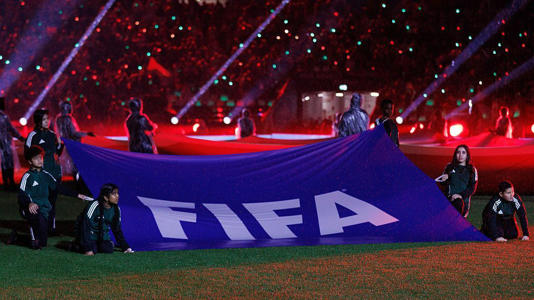
The World Cup supercharges this dynamic because football remains one of the last true live culture engines. In an on-demand world, WC26 will create shared, unskippable moments that unfold in real time across screens, cities, and communities. Power in these moments belongs to those who can spark emotion instantly—and those moments rarely follow a media plan.
This shift is amplified by the multicultural reality of WC26, particularly in the United States. Fans will bring layered identities to the tournament, cheering across borders, languages, and generations. Influence won’t be defined by scale alone, but by cultural fluency. Players and creators who understand nuance will outperform institutional voices + brands relying on generic messaging.
The scale of the tournament also turns cities into cultural protagonists. WC26 won’t live only in stadiums—it will live in neighborhoods, watch parties, and local scenes that creators + local voices + brands bring to life. Cities become the stage, and culture fills the spaces in between.
For brands, the implications are clear. Visibility alone will not be enough. The brands that succeed in WC26 will operate within the power triangle rather than around it—partnering with players authentically, collaborating with creators as co-authors, and earning relevance within culture instead of trying to control it.
In 2026, the World Cup won’t be defined by who shows up the biggest. It will be defined by who understands how power now moves—and knows how to move with it.